


About Us
Astronomy for All
Skynet is driven by a bold mission: to break down barriers and make astronomy available to everyone, everywhere, empowering anyone with a passion for the cosmos to explore the universe.
Powered by Students
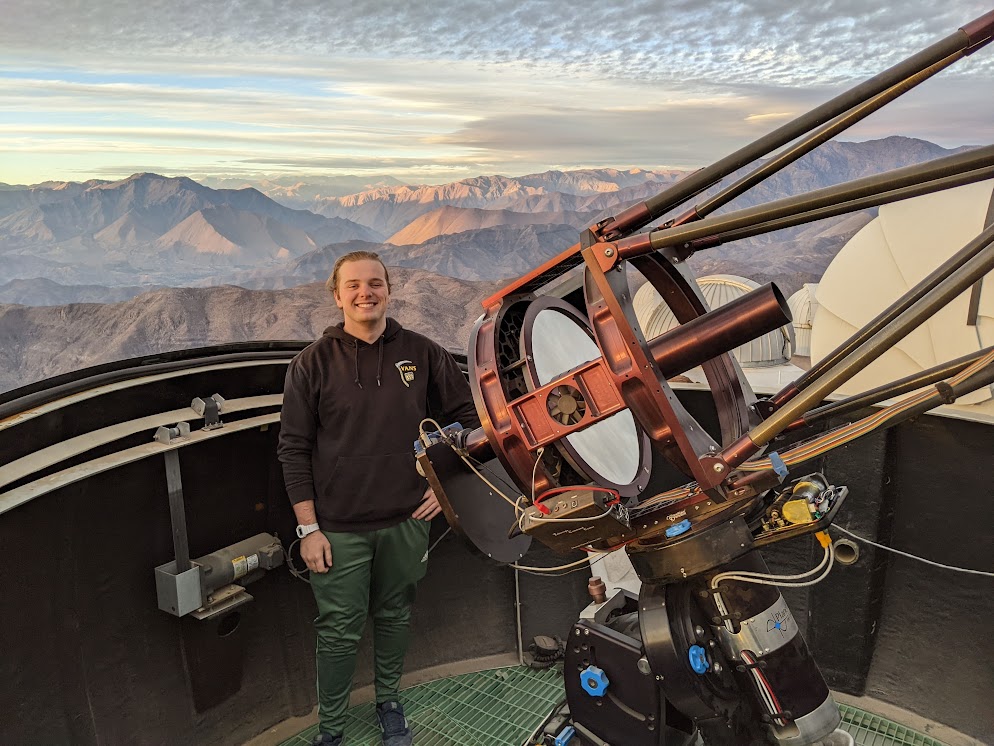
Based at the University of North Carolina at Chapel Hill, Skynet is developed and maintained with key contributions from students.
Unlocking the Universe
Skynet enables groundbreaking research and hands-on learning, empowering the next generation of astronomers and scientists.
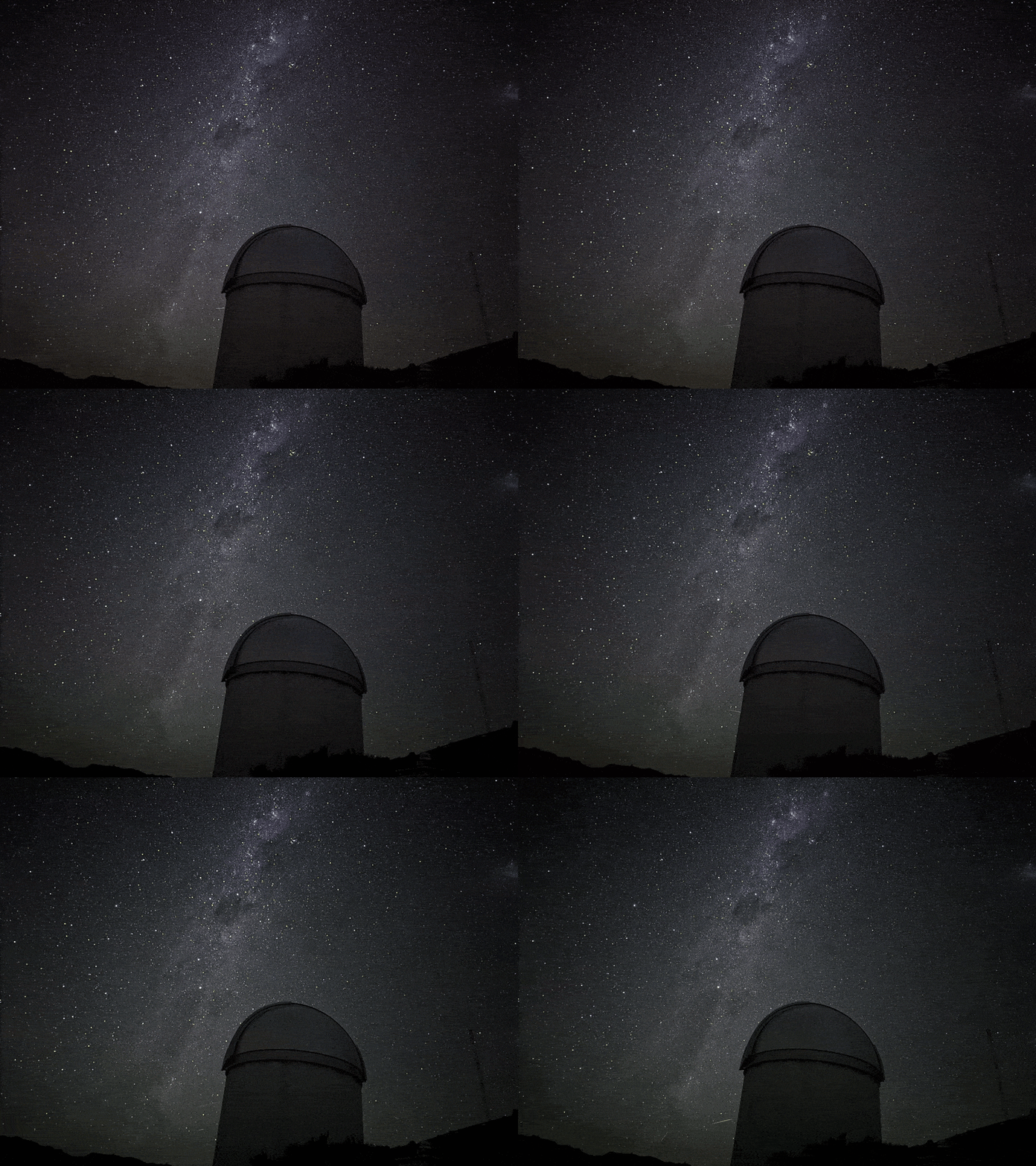
The Team Behind Skynet
Get to know the engineers, researchers, and students who keep Skynet running.
Core Platform Development
Engineers and student developers who design, build, and maintain the software that powers the Skynet network — the public API, the observation pipeline, the SkyNode telescope agents, and the web applications operators and researchers use every day.
Joshua HaislipLead Architect / Principal Developer
Reed FuGraduate Student
- Dylan DuttonPost-Doc Research Associate
Lee SnowUndergraduate Research Assistant
Ansh MuthiyanUndergraduate Research AssistantChapel Hill, NC
Halen McMorrisUndergraduate Research Assistant
- James AtkissonUndergraduate Research Assistant
Haygen WarrenUndergraduate Research AssistantChapel Hill, NC
Caiden RayUndergraduate Research Assistant
Olivia Voorhees
Gabriella KirbyUndergraduate Research Assistant
Past Contributors
Reece Clark () · Donovan Schlekat ()
Our History
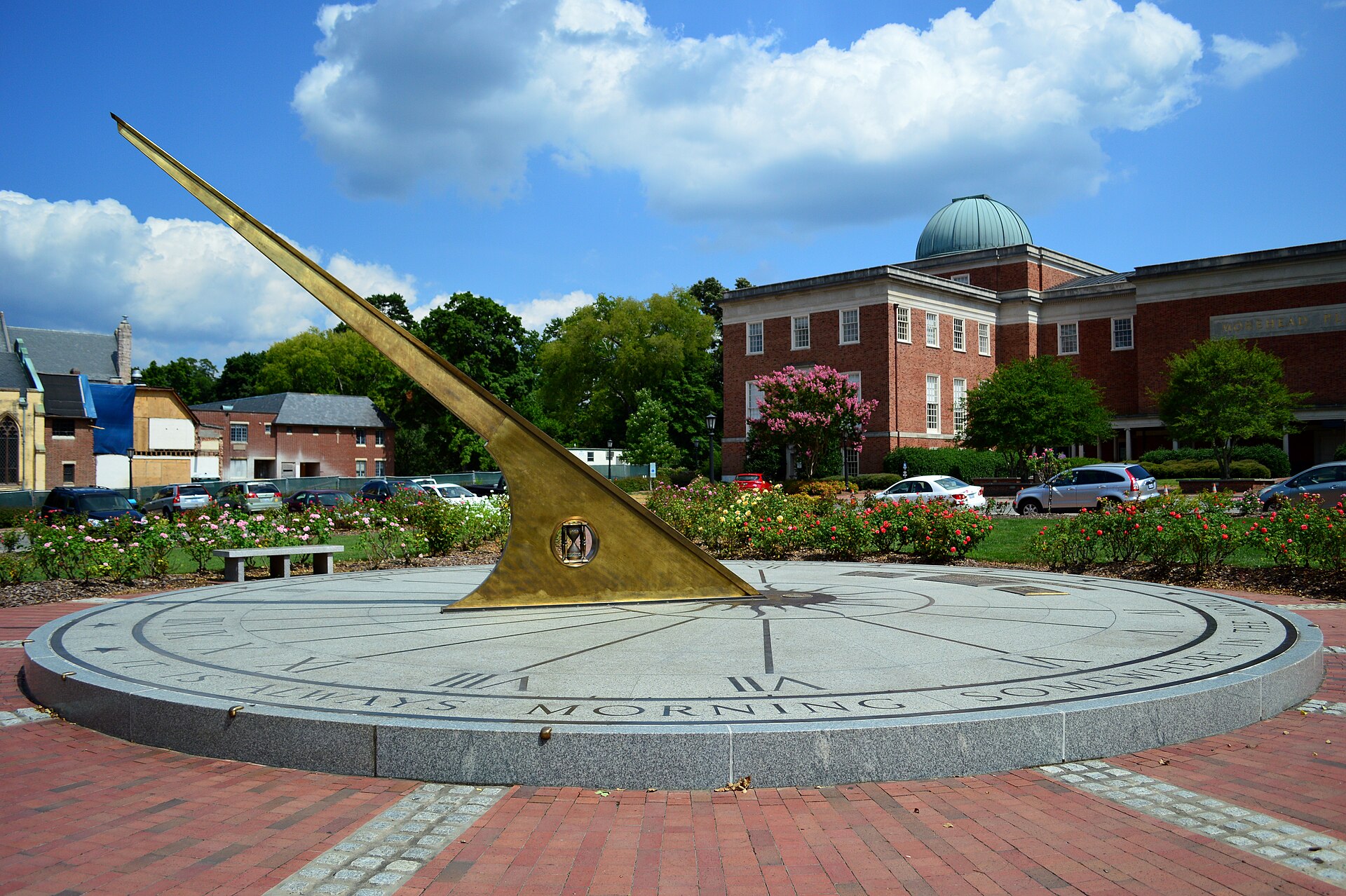
Skynet began at the University of North Carolina at Chapel Hill with the vision of making professional-grade astronomical observations accessible to researchers, students, and the public. Initially developed to support a network of observatories, Skynet has since grown into a global system, connecting observatories across multiple continents.
Over the years, Skynet has played a key role in groundbreaking research, from discovering exoplanets to tracking gamma-ray bursts. It has also become a valuable educational tool, allowing students of all ages to control real telescopes and analyze astronomical data.
Today, Skynet continues to expand, integrating cutting-edge technology and new partnerships to further its mission of making astronomy available to everyone, everywhere.

Fueling our Mission
Skynet's work is made possible through the generous funding of our sponsors, whose support drives innovation and accessibility in astronomical research and education.

Skynet's current platform was built with a $3M U.S. Department of Defense National Defense Education Program award, and its deployment, telescope onboarding, and event-broker integration are funded by a $874K U.S. National Science Foundation (NSF) Advanced Technologies and Instrumentation award. Skynet's southern observing capability was built with support from the Mt. Cuba Astronomical Foundation, and its work on the orbits of Earth-threatening asteroids has been supported by NASA.
Any opinions, findings, and conclusions or recommendations expressed on this site are those of the authors and do not necessarily reflect the views of the U.S. National Science Foundation.